What Happens After Visa Denial? Your Next Steps
A visa interview can last only a few minutes, yet a denial can affect a job offer, a family visit, a wedding, or plans to reunite with loved ones. If you are asking what happens after visa denial, the most useful first step is to identify exactly what the consular officer decided and why. A refusal is not always the end of the process, but responding the wrong way can make a future application harder.
Keep every paper you received at the interview, including any refusal worksheet and instructions from the U.S. embassy or consulate. The section of immigration law listed on that document can tell you whether you may need more evidence, a new application, a waiver, or a different legal strategy.
What Happens After a Visa Denial at a U.S. Consulate?
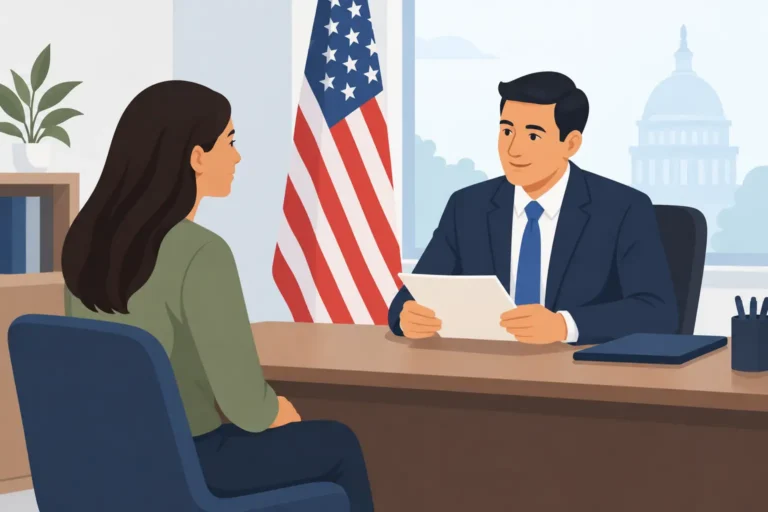
A visa denial generally means a U.S. consular officer has decided not to issue a visa at that time. For people outside the United States applying for a visitor, student, work, or immigrant visa, this decision usually happens at a U.S. embassy or consulate.
The immediate result is straightforward: you cannot use that visa application to travel to the United States. Your passport is normally returned to you, and you may receive a written notice citing a legal reason for the refusal. That reason matters far more than the word “denied” alone.
Some refusals are final for the current application. Others are temporary or procedural. A case placed in administrative processing, for example, may require additional review before a final decision is made. A refusal under Section 221(g) may mean the officer needs documents, more information, or further security processing. Do not assume that 221(g) means approval is guaranteed, but do follow the consulate’s instructions carefully and by its deadlines.
A denial can also be based on an issue that is unlikely to change without significant new facts. This is common when an officer believes an applicant does not qualify for the visa category or may not return home after a temporary visit.
Common Reasons a Visa Is Denied
For nonimmigrant visas, such as tourist, student, or temporary worker visas, Section 214(b) is one of the most common grounds for refusal. Under this rule, the applicant must persuade the officer that they qualify for the requested visa and intend to leave the United States when their authorized stay ends.
The officer may consider the applicant’s employment, income, family responsibilities, travel history, studies, property, and overall circumstances in their home country. There is no single document that automatically proves strong ties. A letter from a relative in the United States or an invitation to visit may help explain the trip, but it does not replace evidence that the applicant has a credible reason to return home.
Other denials may involve inadmissibility. This can include prior unlawful presence in the United States, immigration fraud or misrepresentation, certain criminal matters, prior removal or deportation, health-related grounds, or security concerns. A past incident does not always end a person’s immigration options, but it can require a careful legal review before another application is filed.
For immigrant visas based on a family petition, marriage, or employment, the officer may question whether the underlying relationship or job qualifies. The consulate may return a petition to U.S. Citizenship and Immigration Services for review if it believes there is a problem with the approval. In those cases, a family should not guess at the next move. The response can affect the petition and future filings.
Read the Refusal Notice Before Taking Action
The refusal notice is the starting point for your next decision. It may cite Section 214(b), 221(g), or another section of the Immigration and Nationality Act. These categories do not all have the same solution.
A 221(g) Refusal May Require Documents or Processing
If the consulate asks for a missing civil record, financial evidence, medical document, or other item, provide only what is requested and follow the submission process exactly. Sending unsolicited material can create confusion rather than help.
Administrative processing can take an uncertain amount of time. The consulate may contact you, ask for more information, or update the case status without explaining every step of the review. Avoid buying nonrefundable tickets or making irreversible travel plans while the case remains pending.
A 214(b) Refusal Usually Requires Changed Circumstances
There is generally no formal appeal for a visitor or other nonimmigrant visa denial under 214(b). You may apply again, but simply repeating the same application a few days later rarely changes the result.
A stronger reapplication should be based on material changes or a clearer presentation of the facts. For example, a student may have completed a degree program, a worker may have gained stable employment, or an applicant may be able to explain a prior inconsistency with reliable documentation. Reapplying without understanding the original concern can waste money and create more frustration.
Inadmissibility May Require a Waiver or a Different Path
Some grounds of inadmissibility can be waived, while others cannot. Whether a waiver is available depends on the specific issue, the visa category, the applicant’s history, and, in some cases, the hardship a qualifying U.S. citizen or lawful permanent resident family member would face.
Waiver cases are fact-specific. They require honesty, records, and a strategy that addresses the legal issue directly. Trying to hide an arrest, prior removal, false statement, or past immigration violation can turn a difficult case into a much more serious one.
Do Not Make These Mistakes After a Visa Refusal
A denial can make people feel pressured to act quickly. That is understandable, but speed without a plan can create long-term problems.
Do not submit a new application with different answers just because you think the first answers were not persuasive. Consular officers can review prior applications and interview notes. Any inconsistency may raise concerns about credibility.
Do not use false documents, coached statements, or an agent who promises a guaranteed visa. No lawyer, consultant, family member, employer, or travel agent can guarantee approval. Fraud or willful misrepresentation can lead to a permanent immigration consequence.
Do not assume a previously approved petition means a visa must be issued. A family-based or employment-based petition is only one part of the process. The consular officer must still determine whether the applicant is eligible for the visa and admissible to the United States.
Finally, do not ignore how other legal matters may affect the case. A criminal charge, family court dispute, workplace issue, or past border encounter can have immigration consequences. Before resolving any related legal problem, seek guidance from someone who understands the connection.
When Should You Speak With an Immigration Attorney?
Legal guidance can be especially valuable when a denial involves unlawful presence, a prior removal order, a criminal record, alleged fraud, a marriage-based visa, a petition returned by the consulate, or a possible waiver. These cases may involve deadlines, records from more than one agency, and decisions that affect the entire family.
It can also help to speak with an attorney before reapplying after multiple denials. A review of the prior applications, refusal notices, immigration history, and supporting evidence may show whether the problem is fixable now or whether waiting for a meaningful change is wiser.
For mixed-status families, the stakes can reach beyond one person’s travel plans. A hurried application or inaccurate answer can affect future petitions, lawful permanent residence, or the ability to remain connected to family in the United States. Clear advice is a form of protection.
At the Immigration Law Offices of Hadley Bajramovic PC, families can discuss their immigration concerns in the context of related legal challenges, including criminal defense and family matters. A free consultation can help identify the refusal ground and the most realistic next step.
A visa denial is disappointing, but it does not define your future or your family’s options. Keep your documents, be truthful about your history, and get reliable guidance before filing again. The right next step is not always immediate reapplication – it is the step that protects your case for the long term.