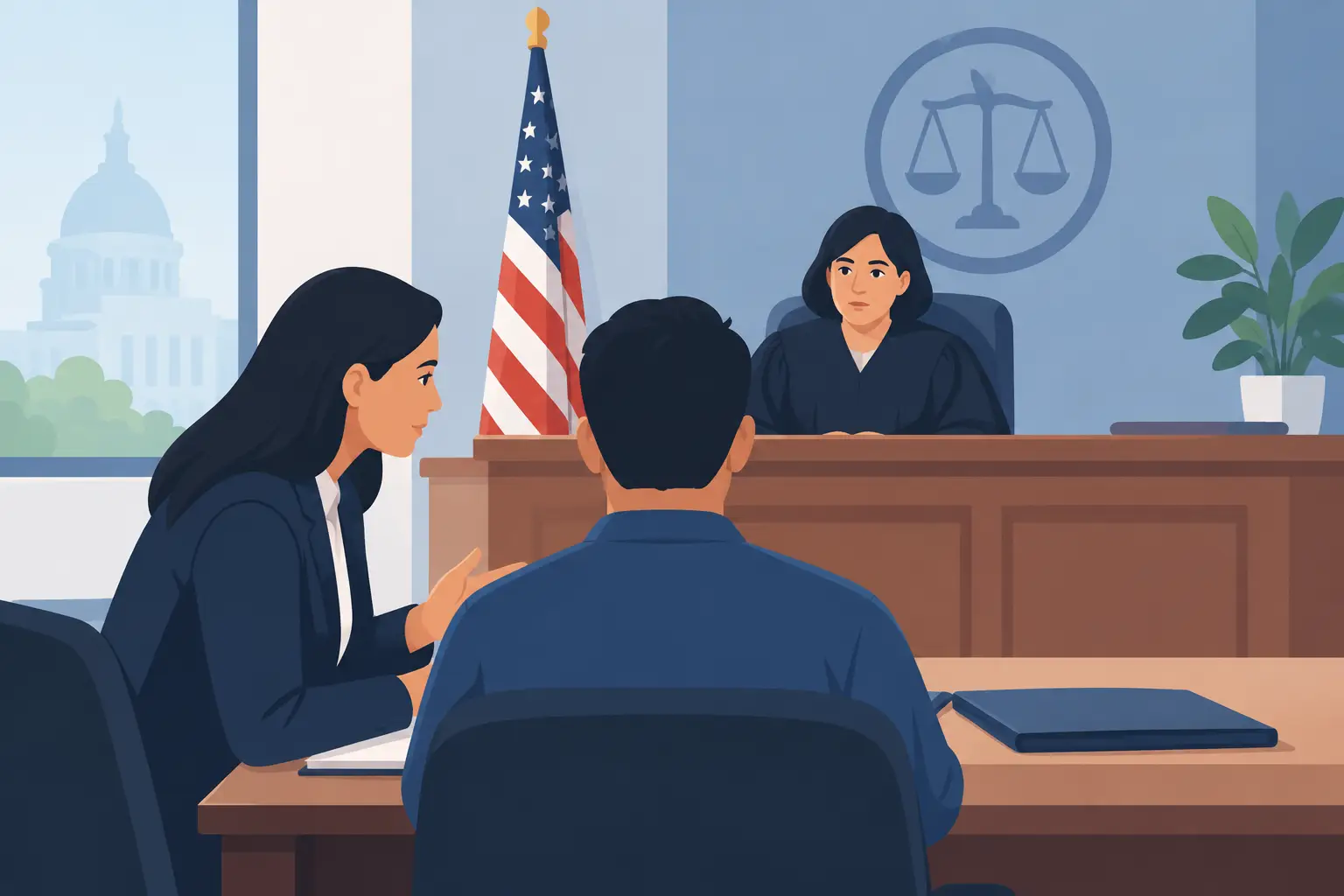
How to Handle Immigration Court and Protect Your Case
An immigration court notice can make a family feel as if everything is suddenly on hold: work, school, travel, and plans for the future. Knowing how to handle immigration court begins with one rule that cannot wait: do not ignore any notice, hearing date, or deadline. Even when you are confused about why you received paperwork, showing up and getting informed protects more options than doing nothing.
Immigration court is serious, but you do not have to face it blindly. Careful preparation, honest communication, and qualified legal advice can make a meaningful difference in what happens next.
Understand What Immigration Court Is Deciding
Immigration court is different from an appointment with U.S. Citizenship and Immigration Services, or USCIS. USCIS handles many immigration applications and petitions. Immigration court, which is part of the Department of Justice, decides whether the government can remove a person from the United States and whether that person qualifies for relief from removal.
Many cases begin with a Notice to Appear, often called an NTA. This document lists the government’s allegations, such as how or when you entered the country, and explains why the government believes you may be removable. Read every page, but do not assume every allegation is correct. A mistake in a date, entry history, criminal record, address, or immigration status can matter.
The NTA should identify the immigration court and may list a hearing date. Sometimes a person receives a notice that has no date or time, then receives a separate hearing notice later. Keep both documents in a safe place. If your family has moved, make sure the court has your current mailing address.
How to Handle Immigration Court From the First Notice
Start by collecting every immigration document you have. Bring the Notice to Appear, hearing notices, work permits, prior applications, receipts, passports, visas, travel records, and any documents from ICE, USCIS, Customs and Border Protection, or a prior lawyer. Do not throw away documents because they seem old or because you believe they are unfavorable. Your attorney needs the full history to give reliable advice.
Next, confirm the hearing information. Court dates can change, and a missed hearing can lead to an in absentia removal order, meaning the judge ordered removal because you did not appear. Do not rely only on a friend, a family member, or a verbal message about the date. Confirm the location, time, courtroom, and whether the hearing has been changed or continued.
If you move, file the required change-of-address form with the immigration court promptly. In many cases, the court requires notice within five working days of a change of address. Updating an address with another agency does not necessarily update the immigration court record. Keep proof that the form was filed.
You should also seek legal advice as early as possible. A removal case may involve possible defenses or applications that take time to prepare. Waiting until the week of court can limit what an attorney can investigate, request, or file.
Know the Two Main Types of Hearings
Most people will attend a master calendar hearing first. This is usually a short hearing where the judge addresses basic issues: your name and address, whether you have a lawyer, the allegations in the NTA, and possible forms of relief. The judge may set deadlines for applications and evidence, schedule another hearing, or ask whether you admit or deny the allegations.
Do not guess when answering legal questions. Your lawyer may need to review the allegations, your entry history, or your records before advising whether to admit or deny them. If you do not yet have representation, you can respectfully tell the judge that you are trying to find an attorney and ask for time when appropriate. Whether the judge grants more time depends on the case and the court’s schedule.
An individual hearing is the more detailed hearing on your case. This is where the judge may hear your testimony, review documents, listen to witnesses, and consider the government’s arguments. It can last hours or, in some cases, be scheduled over more than one day.
At an individual hearing, preparation matters. You should understand the facts in your own declaration and supporting documents. Tell the truth. If you do not remember an exact date, do not invent one. Explain what you know and what you do not know. Inconsistencies can harm credibility, but a truthful explanation is far better than trying to make an answer sound perfect.
Build Evidence That Tells the Full Story
Immigration cases are not decided only by what you say in court. Documents can show the judge who you are, how long you have lived in the United States, your family responsibilities, and the hardship removal could cause.
The right evidence depends on the type of relief you may seek. It may include tax records, school records, medical records, proof of employment, lease agreements, family photographs, letters from community members, records of rehabilitation, country-condition evidence, or proof of a qualifying family relationship. A strong case is organized around the legal requirements, not simply a large stack of papers.
Any document not written in English generally needs a complete English translation with the proper translator certification. Do not wait until the hearing to translate important records. Court deadlines for filing applications and evidence can be strict, and late filings may be rejected.
Letters from relatives, employers, teachers, faith leaders, or community members can help when they are specific. A useful letter explains how the writer knows you, what they have personally observed, and why your presence matters. General statements that someone is a good person carry less weight than clear, truthful details.
Get Advice Before Making Immigration Decisions
You have the right to be represented by an attorney in immigration court, but the government generally does not provide a free lawyer for adults. A qualified immigration attorney can review the government’s allegations, identify possible relief, prepare filings, represent you at hearings, and explain risks that may not be obvious.
Be careful about taking advice from a notario, consultant, or anyone who promises a guaranteed result. In the United States, a notary public is not an immigration attorney. Bad advice, false documents, or an application filed without understanding your history can create lasting damage.
This is especially important if you have been arrested, charged with a crime, convicted, or are dealing with a family law issue. A plea agreement that appears minor in criminal court can have severe immigration consequences. Divorce, custody, domestic violence, workplace abuse, and injuries may also affect the evidence available or the immigration options worth exploring. Before signing a plea, accepting an immigration offer, or withdrawing an application, speak with counsel who understands the immigration consequences.
Immigration Law Offices of Hadley Bajramovic PC helps immigrant families address immigration concerns alongside related family, criminal defense, employment, and personal injury matters. A free consultation can be a practical first step toward understanding what is at risk and what can be done.
What to Do on the Day of Court
Plan to arrive early. Bring your hearing notice, identification, copies of filings, and any documents your attorney tells you to carry. Court security may take time, and arriving late can put your case at risk.
Dress neatly and speak respectfully to the judge, court staff, and government attorney. If you need an interpreter, tell the court. Do not sign a document or agree to something you do not understand. Ask for clarification through your attorney or directly from the judge when you are unrepresented.
A hearing may be postponed, moved, or scheduled for another date. Before leaving, make sure you understand the next deadline and hearing date. Write it down, keep the paperwork, and share it with your attorney immediately.
Immigration court can feel overwhelming, especially when your children, partner, job, or safety are on the line. Taking the next informed step today can help protect your ability to remain present for the people who depend on you.