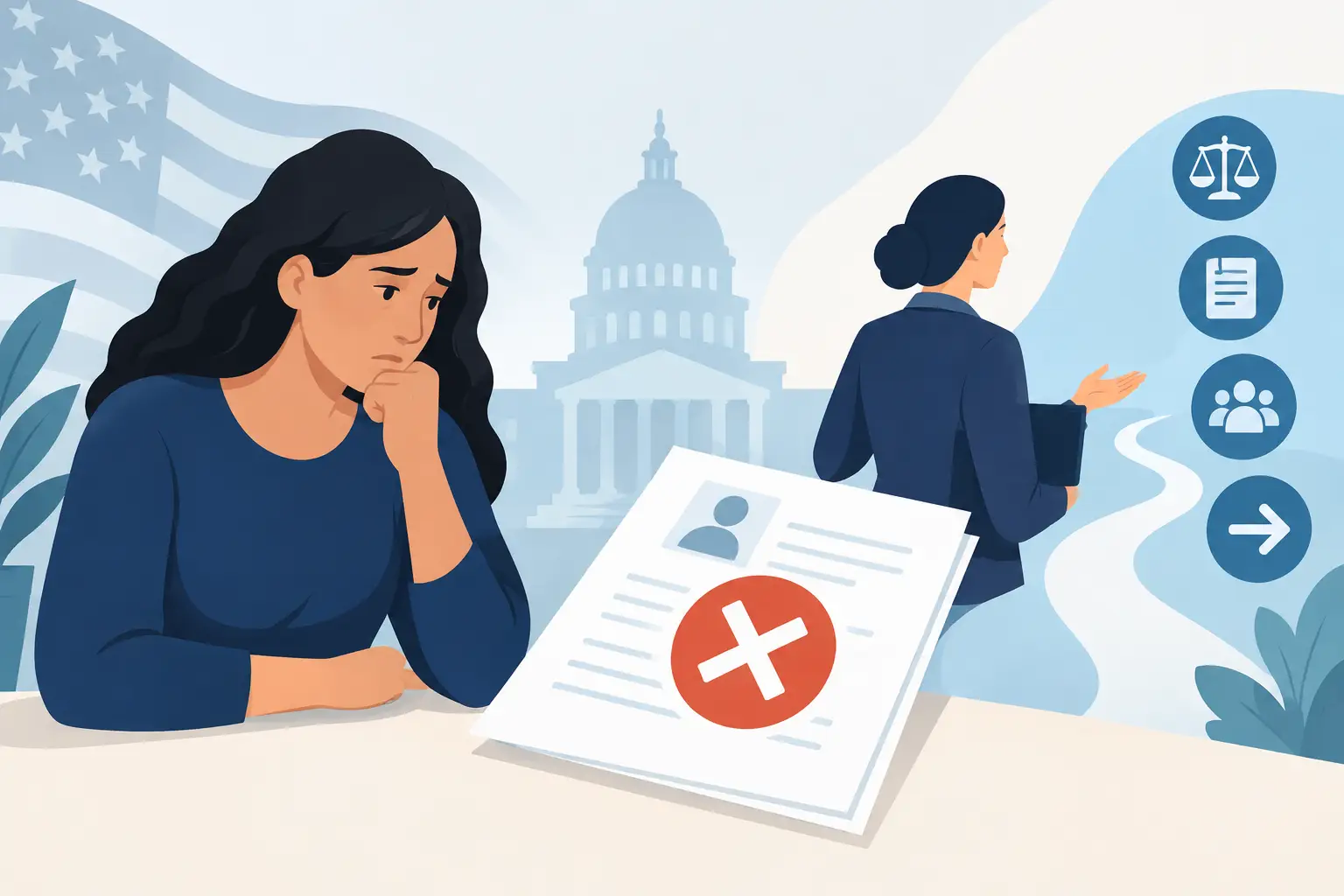
Asylum Denial Reasons and What You Can Do
An asylum denial can feel like the ground has shifted beneath your family. Many people apply after surviving threats, violence, persecution, or fear of returning home, so a negative decision is not simply disappointing – it can create urgent questions about safety, work, children, and the possibility of removal. Understanding common asylum denial reasons can help you recognize what may have gone wrong and what steps may still be available.
A denial does not always mean that a person’s fear was untrue or that there is no path forward. Immigration cases depend heavily on deadlines, testimony, documentation, legal standards, and the specific court or immigration officer handling the matter. Acting quickly with qualified legal guidance can make a meaningful difference.
Why Asylum Applications Are Denied
To receive asylum in the United States, an applicant generally must show a well-founded fear of persecution because of race, religion, nationality, political opinion, or membership in a particular social group. The harm must be connected to one of these protected grounds. This legal requirement is where many otherwise compelling cases become difficult.
Someone may have experienced terrible violence in their home country, yet an immigration judge may deny asylum if the evidence does not show why the person was targeted. For example, general crime, extortion, gang violence, or unsafe conditions can be serious and frightening. But the applicant usually must prove more than the fact that danger exists. They need to show that the harm was, or would be, connected to a protected characteristic or opinion.
Missing the One-Year Filing Deadline
Most people must file for asylum within one year of their last arrival in the United States. This is one of the most common and painful barriers. A person may wait because they do not know about the deadline, fear approaching the government, lack money for legal help, or are trying to stabilize their family after arriving.
There are limited exceptions for changed circumstances or extraordinary circumstances. Changed conditions in the home country, a major change in the applicant’s personal situation, serious illness, ineffective assistance from prior counsel, or other unusual events may be relevant. But exceptions are not automatic. The person must explain the delay clearly and provide supporting evidence when possible.
Even when asylum is barred by the one-year deadline, other forms of protection may still be worth discussing. Depending on the facts, withholding of removal or protection under the Convention Against Torture may be options, although they have different and often higher legal standards.
Credibility Concerns in Testimony
An asylum case often depends on the applicant’s own testimony. Immigration officers and judges look closely at whether the account is detailed, consistent, and believable. A credibility finding can be affected by differences between an initial interview, the written application, supporting declarations, and hearing testimony.
Not every inconsistency means someone is lying. Trauma can affect memory. An interpreter may misunderstand a word or phrase. A person may be exhausted, frightened, or unfamiliar with legal questions during a border interview. Dates may be difficult to remember when someone fled quickly or lived through repeated harm.
Still, small differences can become major issues if they are not explained. If a prior application was prepared incorrectly, if an interpreter made an error, or if an important detail was left out because the applicant was afraid or ashamed to discuss it, that should be addressed directly. Trying to ignore an inconsistency can make it harder to repair later.
Not Enough Evidence or Corroboration
Applicants are not always expected to produce every document connected to their experiences. People fleeing persecution may leave without police reports, medical records, identification papers, or threatening messages. Immigration law recognizes that reality. However, when evidence is reasonably available, a judge may expect the applicant to provide it or explain why it cannot be obtained.
Helpful evidence can include declarations from relatives or witnesses, medical records, police complaints, photographs, threatening messages, news reports, country-condition materials, proof of political or religious activity, and documents showing membership in a targeted group. A strong case does not depend on one perfect document. It depends on evidence that supports the full story.
Country evidence matters because it places an individual experience in context. A declaration about threats may carry more weight when it is supported by reliable information showing that similarly situated people face persecution and that authorities are unable or unwilling to protect them.
Asylum Denial Reasons That Often Need Closer Review
Some denials are based on legal issues that are not obvious to a family reading the decision. The exact language in a denial notice or judge’s written decision matters. It may identify whether the problem involved the protected ground, the filing deadline, credibility, corroboration, past persecution, future fear, or another technical issue.
The Harm Was Considered Criminal, Personal, or General
A judge may decide that threats were motivated by money, a personal dispute, retaliation, or general criminal activity instead of a protected ground. This distinction can feel unfair because the danger is still real. But asylum law requires a specific connection between the feared harm and one of the protected categories.
The facts can be complicated. A gang may demand money from many people, but target one person more severely because of family ties, perceived political views, gender, former employment, or refusal to cooperate. The legal question is not always simple. Careful preparation may help identify the motive behind the harm and explain it in language that meets the law’s requirements.
The Judge Found Internal Relocation Possible
Another common reason for denial is a finding that the applicant could safely relocate to another part of their country. The government may argue that moving to a different city would remove the risk.
Whether relocation is reasonable depends on the facts. A person may have no support system elsewhere, lack the ability to work safely, face countrywide threats, or be easily located by the people who harmed them. Conditions for women, children, Indigenous communities, LGBTQ+ individuals, political activists, and other vulnerable groups can vary greatly by region. The answer is never automatic.
Government Protection Was Considered Available
Asylum law generally asks whether the home government can or will protect the person from persecution. Some applicants are denied because they did not report threats to the police or because the government argues that law enforcement was available.
But reporting may be dangerous or unrealistic. Police may be corrupt, connected to persecutors, unwilling to help, or unable to offer meaningful protection. A survivor may also have been too young, traumatized, or threatened to file a report. Evidence about prior attempts to seek help, local conditions, and the risks of reporting can be essential.
Criminal History or Other Legal Bars
Certain criminal convictions, security concerns, prior removal orders, allegations involving persecution of others, or a firm resettlement in another country can affect eligibility for asylum. The consequences depend on the specific facts, the statute involved, and the person’s immigration history.
For immigrant families, a criminal case should never be treated as separate from immigration consequences. A plea that seems minor in criminal court can create serious barriers in immigration court. If there is any arrest, charge, or conviction, it should be reviewed carefully by counsel who understands both areas of law before important decisions are made.
What to Do After an Asylum Denial
The first priority is to understand what was denied and by whom. An asylum office denial, an immigration judge’s denial, and a denial after an appeal may involve different procedures and deadlines. In immigration court, an appeal may need to be filed quickly. Missing a deadline can limit options, even when the underlying case had strong facts.
Keep every document from immigration authorities, including hearing notices, written decisions, interview records, applications, and prior declarations. Do not alter, discard, or submit new materials without understanding how they fit into the record. A legal review can identify factual errors, missing evidence, translation problems, or legal arguments that deserve closer attention.
Families should also be honest about difficult facts. Prior entries, immigration applications, arrests, past statements to officers, and earlier interviews may all be part of the record. An attorney can prepare for those issues only when they know about them. Honest preparation is far safer than being surprised by information the government already has.
At Immigration Law Offices of Hadley Bajramovic PC, we understand that immigration problems often affect an entire household. A pending criminal matter, a family-court issue, workplace exploitation, or an injury can add pressure to an already stressful asylum case. Getting guidance early can help protect your rights and give your family a clearer view of the road ahead.
If you or someone you love received an asylum denial, do not assume the case is over based on one document or one difficult hearing. Gather your paperwork, seek a prompt legal evaluation, and give yourself the chance to understand the options that may still protect your future.